How to Verify Credentials for an Mobile Locksmith Orlando
Picking a locksmith under pressure feels urgent and messy, but a few checks cut the guesswork and risk. I wrote this guide because I have called three different locksmiths at odd hours and learned which questions actually reveal competence. In one typical call I learned it pays to confirm identity before the worker arrives, and you can start that check online by visiting locksmith unit, which offers clear company listings and contact details to cross-check against what a caller says mid-transaction. The next sections give a tested checklist so you can pick a trustworthy locksmith without a second guess.
Why verification protects your home and wallet.
Most people assume any locksmith who shows up is legitimate, and that assumption can be costly. Insurance and licensing do not guarantee perfection, but they seriously lower the chance of a botched job. You should also weigh three trade-offs: speed versus vetting, price versus guarantees, and convenience versus documented identity.
The first three checks you can do in under five minutes.
Get the caller’s name and company and then confirm those details on the company website or directory. For branded services, the local office number on the corporate site should match the caller’s number. If you find discrepancies, ask clarifying questions and consider calling the company back using the number on the website rather than the caller’s ID.
Licensing and insurance are quick facts that lower risk.
Not all states require locksmith licensing, but in regions that do, a license shows baseline competency and registration. Ask for insurance details, including carrier and policy number, and take a photo of the card for your records. A refusal to provide license or insurance information is a strong reason to refuse service and seek another company.
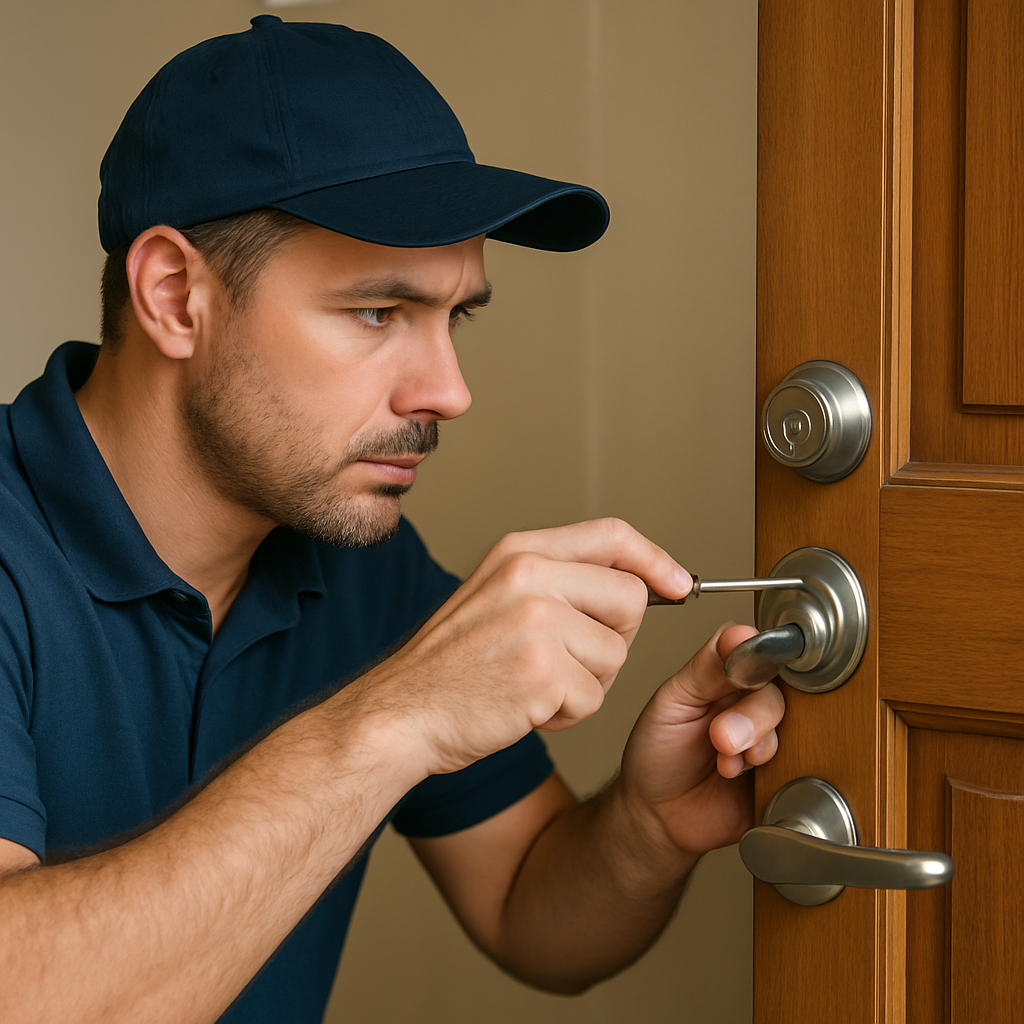
Always check a photo ID and the company vehicle when the locksmith arrives.
Ask to see a government photo ID and a business card, and compare the name to the earlier phone conversation. A well-run locksmith company usually has marked vehicles and organized toolboxes, which is not absolute proof but a strong signal. If the ID does not match the booking name or the vehicle looks improvised, decline service and call a verified company instead.
Reviews are useful, if you know how to read them.
Detailed reviews about specific services give you far more signal than a single five-star rating with no text. Check multiple platforms and watch for repeated language that suggests fake reviews, such as the same phrase across dozens of entries. A thoughtful response to a complaint is a small but telling proof of accountability.
Good questions reveal whether the technician knows the work and has the right tools.
When a locksmith car key maker outlines a plan and mentions common methods like rekeying, cylinder replacement, or lock bypass, that is a positive sign. A professional will give a transparent price range on the phone rather than an ambiguous promise to "figure it out when I get there." Vague responses or evasive answers on method or price are good reasons to look elsewhere.
A few photos and a note with the technician’s name and time are useful later.
A short log entry on your phone with images and the person’s name will save time if you dispute charges or need warranty work. Ask for a written receipt that lists parts, labor, and any warranties; do not accept only cash and no paperwork. If the job looks incomplete or the charge seems inflated, request a manager’s contact or the corporate customer service channel and follow up in writing.
Red flags that justify contacting authorities or your insurer.
Any sign of coercion, threats, or evidence of criminal intent should trigger a police call right away. If there is significant damage, your insurer can guide the claim process and may pursue subrogation against the provider. If you suspect identity theft from a fake badge or forged paperwork, file a police report and preserve any materials as evidence.
A compact checklist to verify a locksmith fast.
Get the caller’s name and company, match those to an online listing, request proof of insurance, validate the onsite ID, and document the job with photos and a receipt. When a verification step comes up short, choose safety and call a second option before handing over keys. Keep a local backup list of two or three vetted locksmiths so you are not forced to hire the first unknown caller again.
Why a slightly higher fee can be a bargain.
A higher Florida upfront fee that includes a warranty and proof of credentials can save you from a larger replacement bill later. If a quote sounds unusually high, ask for itemization and a rationale, and try to get a second estimate if time allows. If the issue is not time-critical, take the time to book a trusted technician rather than choosing speed.
Where to store verified contacts and what to record after a job.
A simple contact card with two vetted companies and notes about past jobs makes emergency hiring painless. A complaint supported by documentation often prompts faster action from companies or regulators. Make the verification steps a habit so they are second nature during stressful moments, and keep your documentation steps simple and quick.